
Spin-offs are some of the hardest brand work we do.
Not because the mechanics are complicated when one company becomes two. But because spin-offs force you to build a brand identity from nothing. You’re managing two brand programs at once against timelines you don’t control. And you have to deliver clarity when everyone around you may be confused.
I’ve watched this play out across technology, healthcare, industrial and financial services. The companies that win aren’t the ones with the biggest budgets or the fanciest launch plans. They’re the ones that are crystal clear about who they are and say it simply enough that investors, customers, and employees all believe it.
Here’s what makes that so hard:
Challenge 1: You’re starting from scratch
You can’t inherit a brand identity in a spin-off. You have to build it.
In a merger, both brands already exist. You blend them, choose one or reposition. A spin-off is different. You’re asking investors, customers and employees to believe in a company that’s never existed as an independent entity.
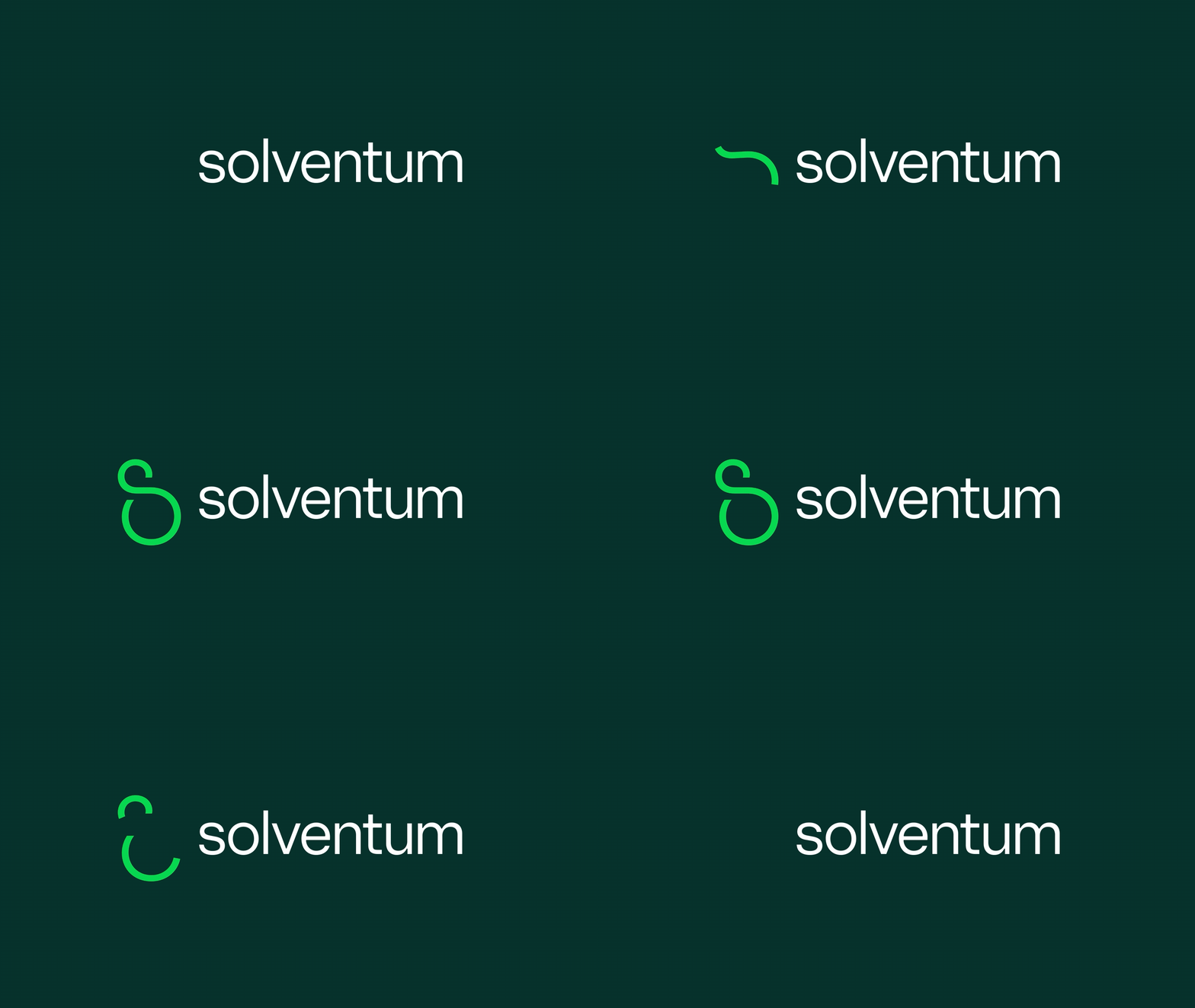
Take Solventum. When 3M spun off its health care business, it had decades of weight behind the 3M name. But Solventum couldn’t ride that equity forever. It had to be its own thing: an $8.2 billion healthcare company with a reason to exist beyond “we used to be part of 3M.”
The answer was simple: focused healthcare innovation. Not heritage. Not a portfolio of things. One clear reason to exist. Solventum’s stock went from under $30 to nearly $86 in two years. That wasn’t luck.
Challenge 2: You’re walking away from something people trust
There’s a psychological piece nobody talks about. The parent brand represents safety, credibility, proof. Walking away from that feels risky, because it is.
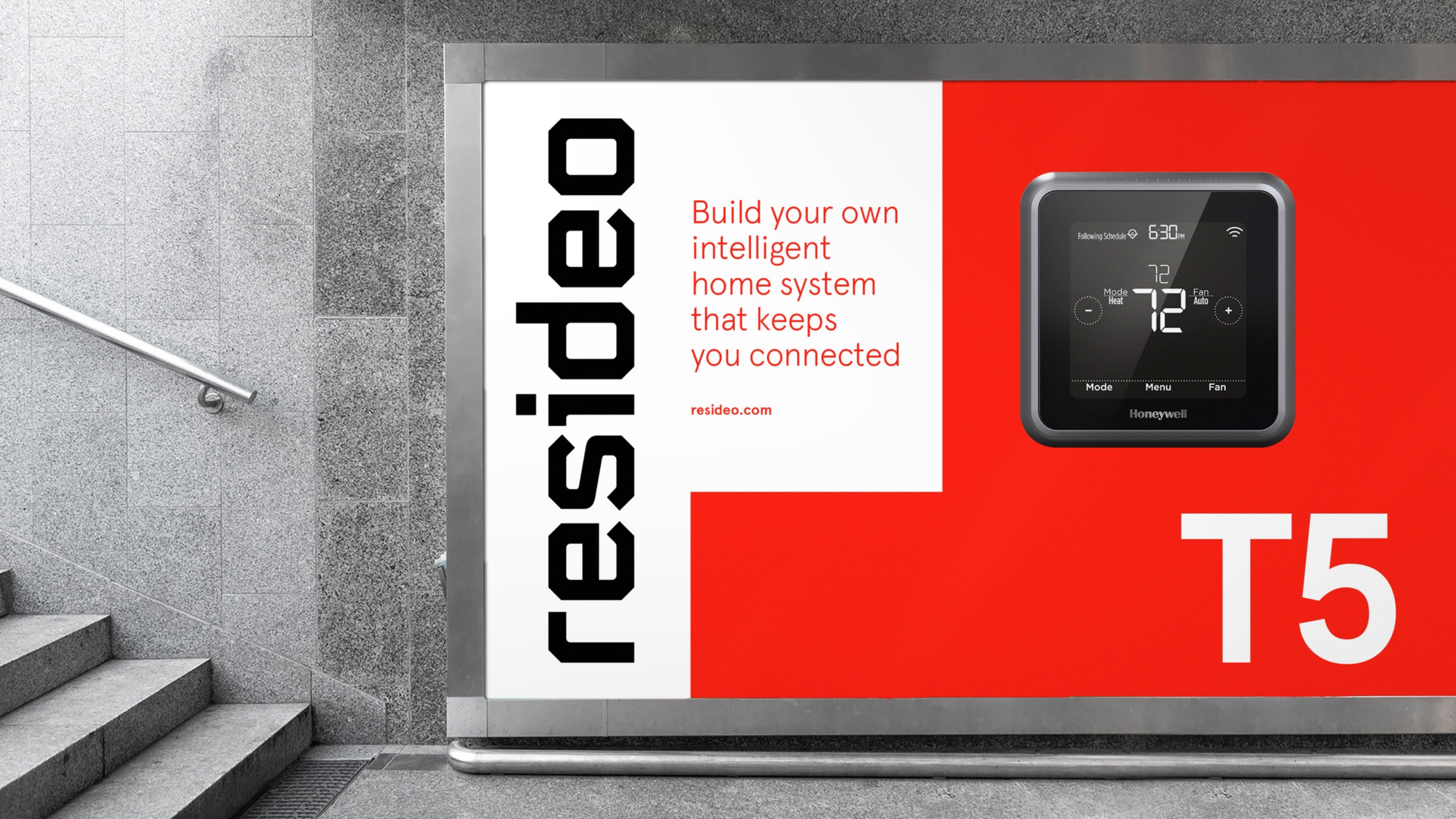
Resideo learned this when Honeywell spun it off. Customers trusted Honeywell. Employees felt secure under it. Now, Resideo had to say: we’re going alone, and we’re worth more separate.
They got specific about the difference. Resideo is the company building smart homes and security systems. Honeywell Home is what its own customers recognize. Two separate things. No confusion.
Since then, Resideo acquired Control4 and First Alert. That growth happened because the foundation was solid from day one. Investors knew what they were investing in, and customers knew what they were buying.
Challenge 3: The parent company is reinventing itself, too
This gets overlooked, but it matters. When you spin off one business, the parent faces its own identity crisis: Who are we now?
Motorola split into two companies because it had become two fundamentally different businesses sharing one identity. Consumer phones and enterprise equipment. The market had moved on. The split recognized that reality.
Motorola Solutions claimed its actual identity: mission-critical communications for public safety and enterprise. That focus mattered. Motorola Solutions hit $497.99 in November 2024. Massive appreciation occurred when the brand answered one clear question: this is who we are. This is what we do.

Challenge 4: You’re building two brands in parallel
Most companies develop one brand strategy and execute it. In a spin-off, you develop two.
HP’s split was complexity at scale. HP Inc. and Hewlett Packard Enterprise (HPE) both carried the HP name. Both needed to become two distinct companies in customers’ minds. One launch day. Two completely different brand strategies.
HP Inc. focused on design and printing; HPE is positioned as the enterprise leader. Different markets. Different messages. Different visual identities. On day one, both launched simultaneously.
HP Inc. shares rose 13 percent on the first day of trading. Investors understood the difference. Customers knew which company to call. The work was complex. The clarity made it work.

Challenge 5: Your first impression happens in days
You don’t get months to build awareness; you often only get one shot. Spin-off stakeholders form opinions within days of announcement.
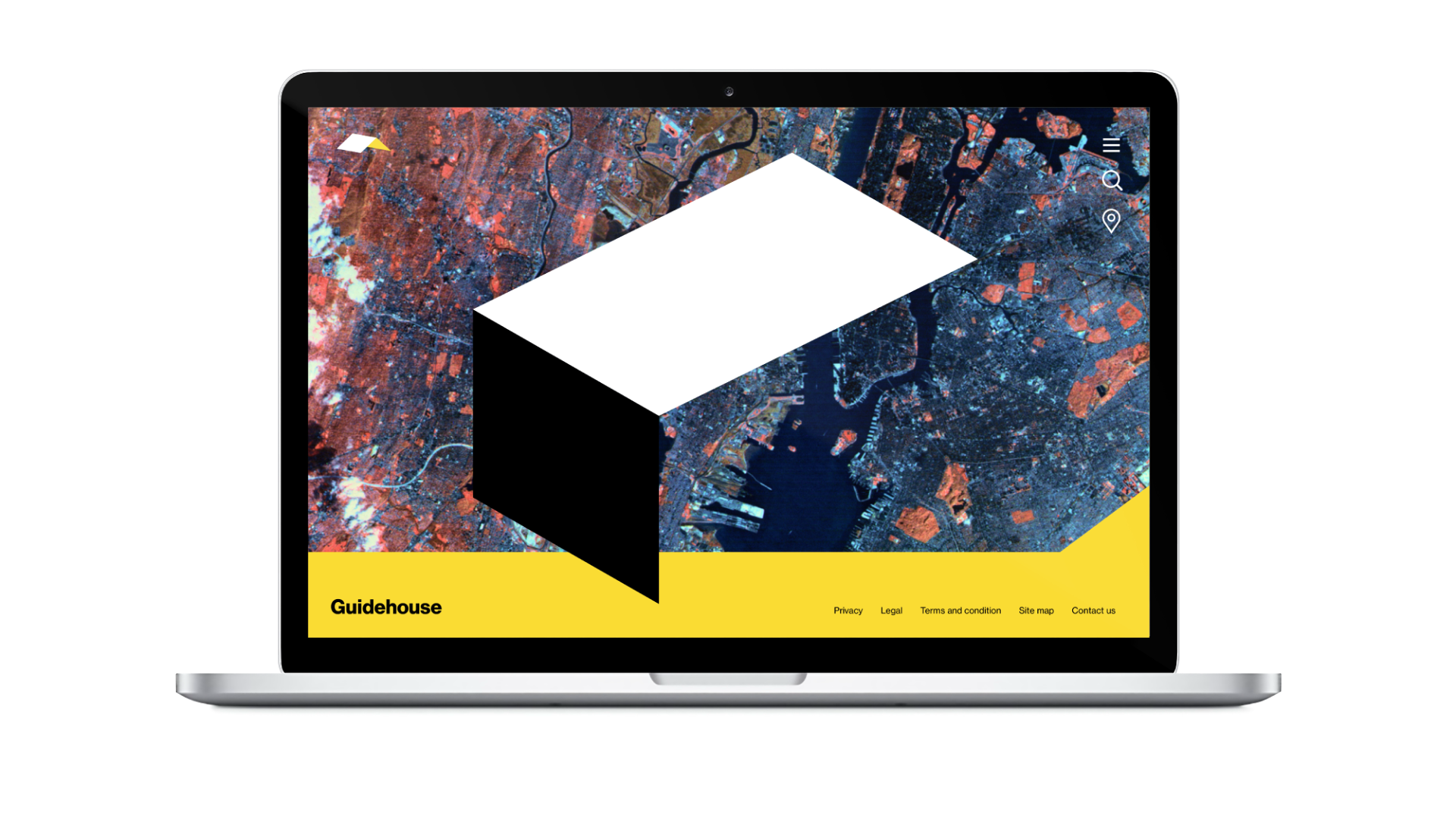
Guidehouse spun off from PwC’s U.S. public sector practice. The market was skeptical. How does a spin-off survive when consulting is built on relationships and trust?
Guidehouse answered one question: we offer focused expertise in government and commercial advisory. That was it. Not trying to be everything, but particularly good at some things.
Guidehouse grew from $600 million to over $3 billion in four years. Bain Capital acquired it for approximately $7 billion in 2023. That value came from clarity. The brand was so clearly positioned that it attracted talent, customers and capital.
If you’re thinking about a spin-off or separation, your brand strategy will shape everything. How investors value you. Whether customers stay. Which employees join you.
We’ve done this work. We’ve seen what works. If you’re navigating it, that’s something worth talking about.
Simple is smart. In spin-offs, it changes everything.
Jason Cieslak is Global President of global brand consultancy Siegel+Gale.